Advancing Equity and Access
in Public Health
JSI R&T India Foundation
Works on
Improving Nutrition Practices for Women and Children
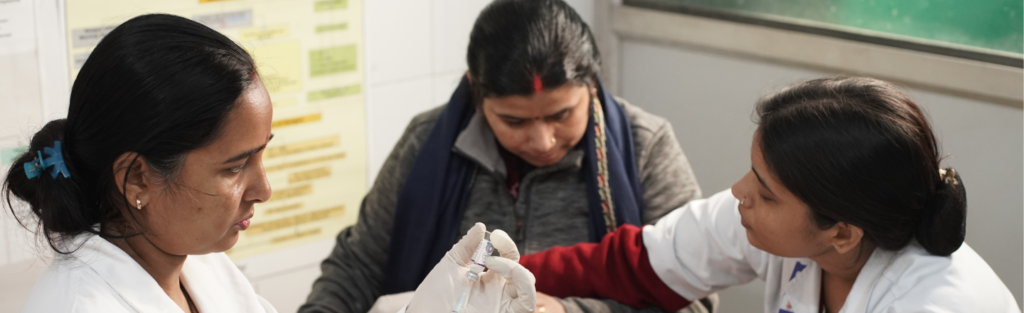
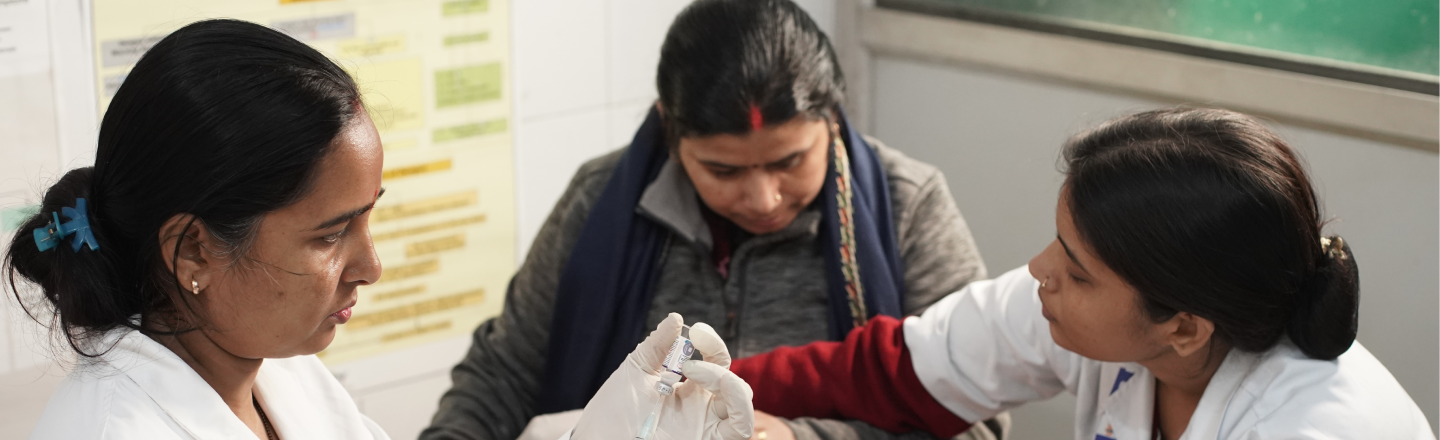
Strengthening Routine Immunization Services and Closing the Zero-dose Gap
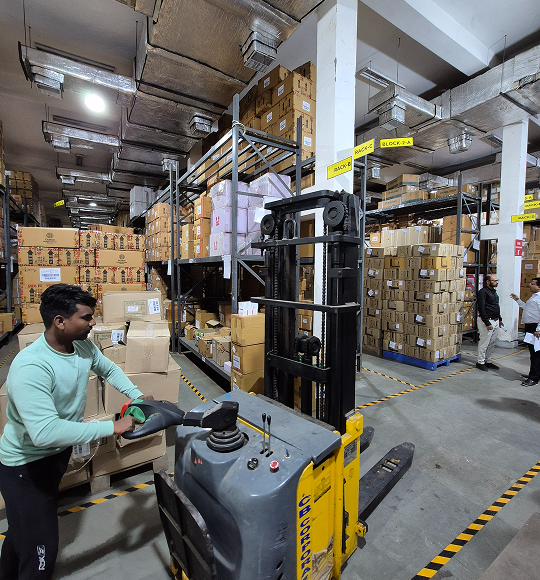
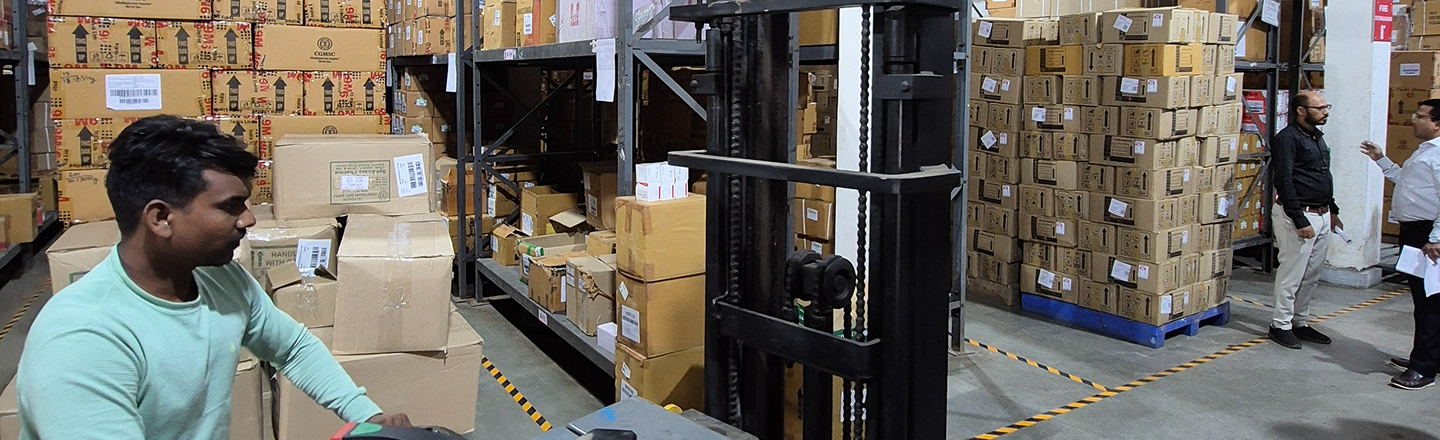
Strengthening Supply Chains to Ensure Last-mile Delivery of Health Products
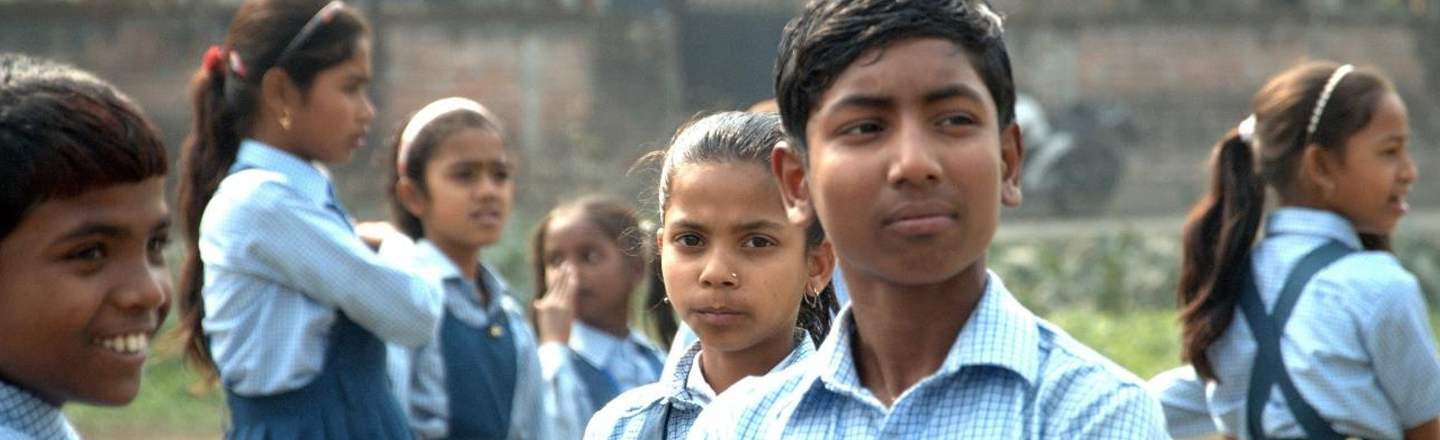
Promoting Health and Nutrition for Adolescents
Who We Are
JSI R&T India Foundation (JSI Foundation) is a leading public health organization making significant strides to drive impactful change in India. Established in 2014 as a Section 8 Company (Not-for-Profit) under the Companies Act, 2013, the Foundation has been at the forefront of strengthening health systems, improving the health of vulnerable populations, and implementing scalable, evidence-driven solutions.
10+ Years | 10 Donors | 1 Mission
We collaborate with the government, private organizations, and civil society to address some of India’s most pressing health challenges. Through co-creation and on-ground action, we turn ambitious goals into a sustainable reality for vulnerable communities.
Our Areas of Expertise
Our core focus is to strengthen the public health ecosystem, improve community health outcomes, and deliver scalable, data-driven solutions that create a lasting, positive impact.
Our Footprint
Since its inception in 2014, JSI R&T India Foundation
has implemented over 10 public health projects across the country.
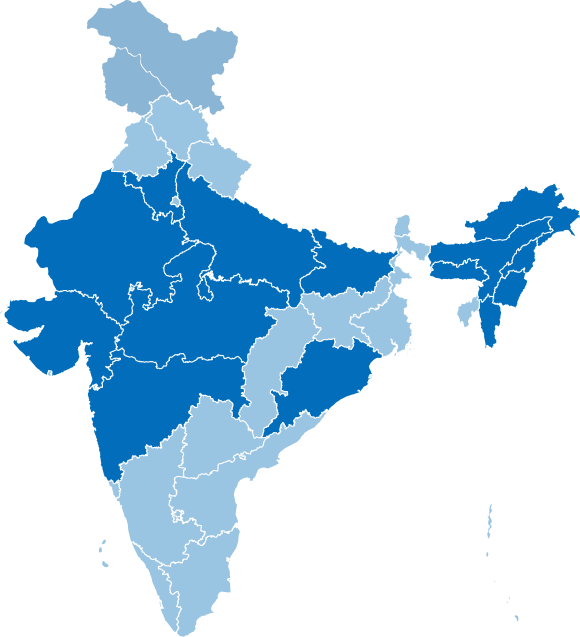
(Data as on 31st December 2025)
Jammu & Kashmir
Assam
Odisha
Punjab
Haryana
Gujarat
Maharashtra
Jharkhand
Uttar Pradesh
Madhya Pradesh
Bihar
Meghalaya
Mizoram
Manipur
Nagaland
Rajasthan
Arunachal Pradesh
Himachal Pradesh
Uttarakhand
Goa
Karnataka
Kerala
Lakshadweep
Andaman and Nicobar Islands
Tamil Nadu
Andhra Pradesh
Telangana
Chhattisgarh
West Bengal
Sikkim
Tripura
Delhi
States
Districts
(Map not to scale)
Our Reach
Health Workers
Children
Adolescents
Women
(Data as on 31st December 2025)
Our Projects
Tushti
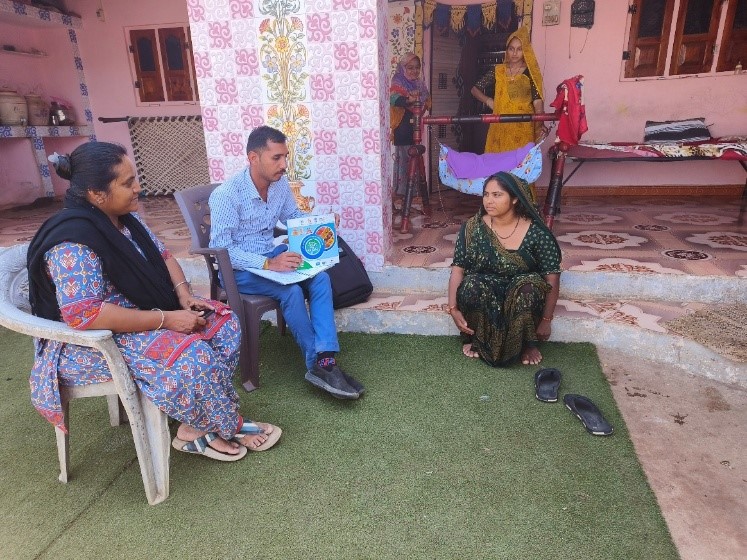
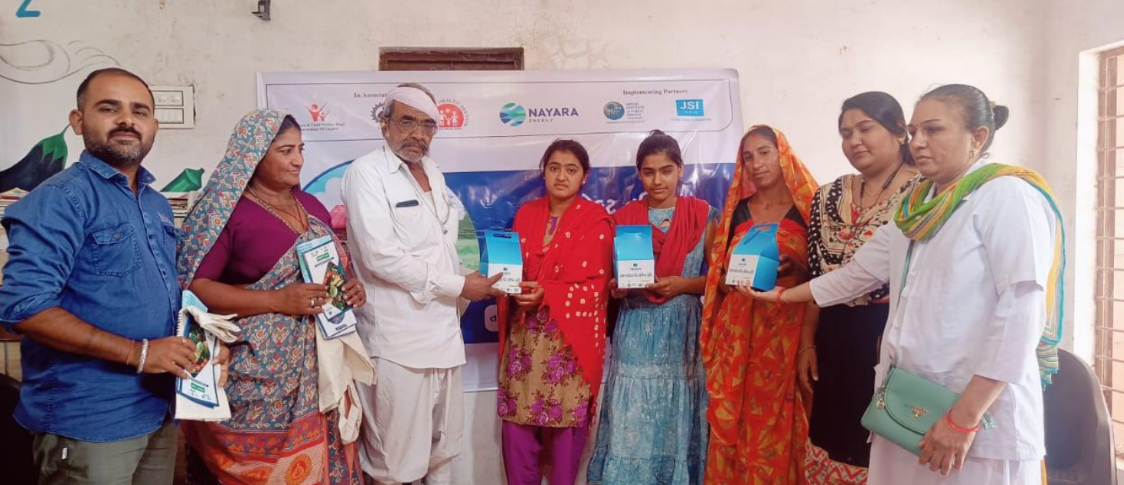
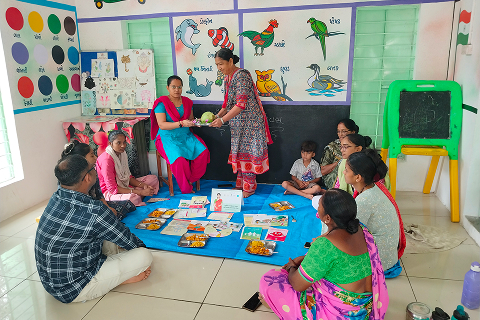
Project Tushti is a public-private partnership between the Government of Gujarat, Nayara Energy Limited, JSI R&T India Foundation. TUSHTI focuses on the “First 1000 days” window of opportunity and adopts a life cycle approach to improve nutritional status of adolescent girls, pregnant women, lactating mothers and children under 5 years of age. The project integrates promotion of positive nutrition practices, improved health seeking behaviour, and strengthening of Anganwadi Centre (AWC) services to deliver sustainable impact at scale. Tushti is being implemented in Devbhoomi Dwarka, Gir Somnath, Porbandar and Amreli districts of Gujarat.
Balvardhan
Launched in 2025 and funded by the Anil Agarwal Foundation (Vedanta Limited), Project Balvardhan is being implemented in Dholpur district of Rajasthan with the aim of enhancing early childhood nutrition and education. Through a blend of scientifically proven interventions and strategic partnerships, the project integrates behavior change campaigns, digital tracking systems, and food fortification with technology-driven Early Childhood Care and Education (ECCE) — creating a scalable, sustainable model to eradicate malnutrition and foster holistic development.
Data Analytics Project
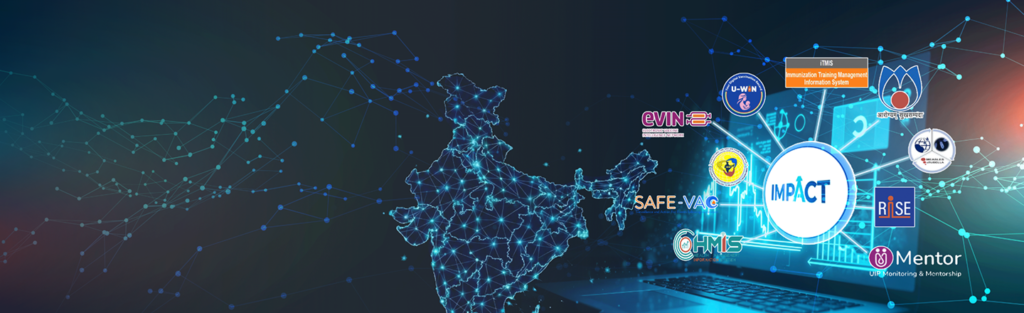
Funded by the UNDP, the Data Analytics project is being implemented under the guidance of the Ministry of Health and Family Welfare (MoHFW). The project is designed to strengthen the country’s Immunization ecosystem by leveraging advanced analytics to generate real-time, actionable insights. The overarching objective is to improve the availability, quality, and use of immunization data to enable evidence-based planning, effective program management and targeted interventions, and strengthened accountability.
Aligned with the Immunization Agenda 2030 (IA2030), this initiative aims to reduce the number of zero-dose children by identifying zero-dose clusters and implementing data-driven strategies. By building stakeholder capacity, fostering evidence-based planning, and embedding structured data use into governance and review mechanisms, Data Analytics project plans to build a resilient, data-driven immunization system that ensures equitable coverage.
Boosting Demand for Routine Immunization and reducing Zero Dose Children
In collaboration with UNICEF, this project is being implemented across Uttar Pradesh and Haryana to strengthen routine immunization demand in communities that need it most. Focused on 11 underserved districts in Uttar Pradesh and one district in Haryana, the initiative directly confronts persistent gaps in Full Immunization Coverage (FIC), one of India’s most pressing public health challenges.
By combining community engagement, behavior change communication, and frontline workforce capacity-building, this is designed to accelerate progress toward equitable immunization and ensure that no child is left behind.
Pushti
Project Pushti was an integrated initiative dedicated to transforming nutrition, health, and sanitation (WASH) standards across 17 villages in the Nabha block of Patiala, Punjab. Funded by GSK-CH’s Mission Health, the project went beyond surface-level interventions to address the root causes of undernutrition, in the communities where it mattered most.
Adolescent Nutrition Sanitation and Health (ANSH)
Funded by GlaxoSmithKline Consumer Healthcare (GSK-CH) under Mission Health, the project delivered nutrition-focused programs and schemes targeting adolescents aged 10–19 years. ANSH prioritized improving adolescent nutritional status by reinforcing evidence-based interventions already integrated within India’s existing health and nutrition systems.
Road to School
The Road to School project, implemented in partnership with the Learning Links Foundation (LLF) in Khordha district, Odisha, improved the health and wellness of approximately 10,000 students across 42 schools through three broad components: the Learning Enhancement Program, Health and Wellbeing, and Community Engagement.
Pratiraksha Suraksha Ki Dor
In partnership with GSK Asia Private Limited, Pratiraksha – Suraksha Ki Dor was implemented in Rewari district, Haryana. The initiative aimed to improve routine immunization coverage by reducing dropout rates, with a key focus on promoting paracetamol use to manage post-vaccination side effects in children aged 0–2 years.
Supply Chain Management for HIV/AIDS and TB Drugs
Supply Chain Management of HIV/AIDS commodities (2018-2021)
As a Sub-Recipient, we partnered with Plan India, to provide technical assistance in strengthening HIV/AIDS drug, diagnostic, and commodity supply chains under the National AIDS Control Program (NACP). The project was funded by the Global Fund to Fight AIDS, Tuberculosis and Malaria (GFATM). We supported the National AIDS Control Organisation (NACO) and the State AIDS Control Societies (SACS) in maintaining an uninterrupted supply of antiretroviral drugs, testing kits, and related commodities across India, alongside developing SOPs for supply chain management. In 2020, a technology-driven Learning Management System (LMS) built personnel capacity, improving training coverage, motivation, and sustainability throughout the supply chain.
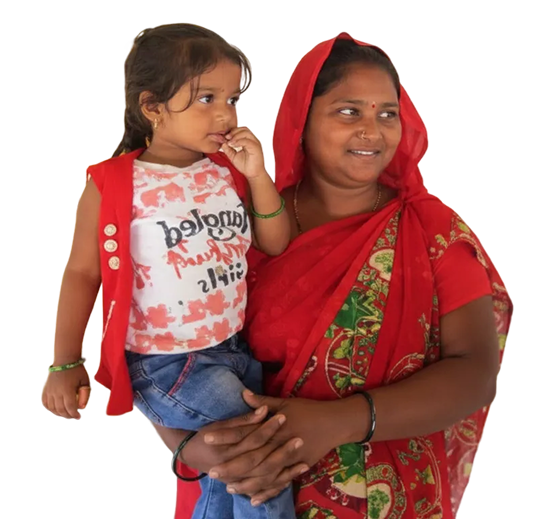
I am so grateful for the Supushti booklet; it has empowered me to prepare healthy, nutritious meals for my son, Prince. By moving away from expensive packed foods, we have been able to save our household income. I am truly happy and thankful to the Tushti Field Officers for their constant help and guidance.
A mother of a three-year-old child
Our Donors

Success Stories
The Power of Transect Walk
Discovering Hidden Homes in Naipura, Ghaziabad
Rapidly urbanizing industrial city Ghaziabad Bordering Delhi, Ghaziabad city in Uttar Pradesh faces challenges like inadequate infrastructure, migration, income inequality, and high population density. These stressors contribute to serious public health deficits such as low routine immunization (RI) coverage, inadequate sanitation, poor nutrition, and high home deliveries.
While Uttar Pradesh has attained 99.41 percent Full Immunization Coverage, Ghaziabad’s district average at 68.7 percent falls significantly below the state-average city performance according to FY 2023-24 HMIS data.
UNICEF, in partnership with JSI (R&T) Foundation under the Gavi Zero-Dose partnership, has been entrusted the challenge to increase RI coverage. For maximum impact, the focus is on areas with high incidence of zero-dose children and families showing vaccine-avoidance behavior. Monitoring data (WHO/UNICEF) narrowed down a total of 255 ASHA areas to 200 across 80 urban sub-centers and UPHCs. One such area was Naipura, with 2,492 residents, mostly migrant daily laborers from Scheduled Castes.
Using Participatory Approaches
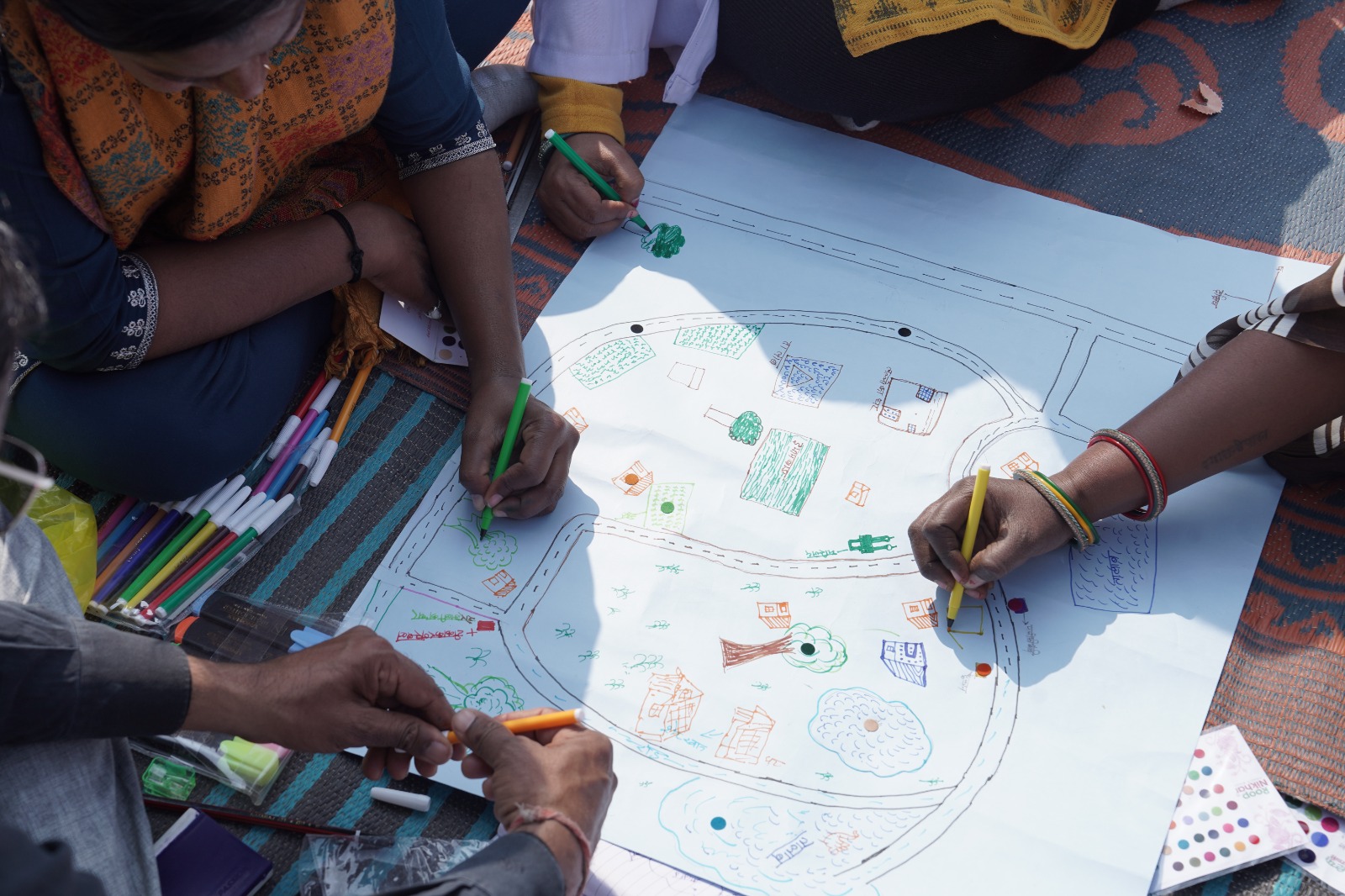
The CSO team undertook a transect walk led by the Cluster Coordinator and community members. As they walked through narrow lanes and observed daily routines, they discovered two lanes which the link worker and ANM were unaware of. Consequently, no Community-based Village Health Sanitation and Nutrition Day sessions had been conducted there, as it was a total blind spot for the health system for at least the last two years.
These houses, hidden in narrow lanes, meant dozens of children had been deprived of basic health services, including immunization. To understand this better, a social map of Naipura was created, incorporating these newly discovered lanes—covering 150 households—with inputs from community members.
“Transect walk and social mapping are powerful community engagement tools that help understand social and spatial topography of area, mingle with community and identify challenges and opportunities.”
Mobilizing Action
Findings were shared at Block and District Review Meetings. The District Immunization Officer responded swiftly, appointing ASHA Pinki, deploying a head-count survey, and initiating special immunization sessions at locations easily accessible to missed communities. The survey revealed an increased number of 3,291 children aged 0–5 years including 84 VAB or ZD children. Following capacity-building for frontline workers, a rolling program of interpersonal communication, influencer engagement, and home visits commenced.
Action and Results
- Service Delivery: Two special immunization sessions were held, and 50 children were vaccinated on-site.
- Micro plan Integration: Arun Studio was designated a permanent session site, with sessions occurring every fourth Saturday.
- Equity Impact: Young mothers like Jyoti and Rani expressed relief and gratitude for the first immunizations in two years and a newfound trust in government services.
A Mother’s Perspective:
“No immunization had been taking place in our area for the past two years, no one came to our area. We are poor so it was difficult for us to go to private facilities. My children have finally received immunization and the protection from diseases.” — Jyoti, a local mother
Moving Forward
The future must build on this success—replicate human-led mapping, reinforce frontline mentorship, and embed community voices at every level.
Revitalising VHSNCs: Strengthening Community Governance for Nutrition and Health in Devbhumi Dwarka
Reactivating a Village Platform
Village Health Sanitation and Nutrition Committees (VHSNCs), constituted under the National Health Mission, are mandated to serve as village-level governance platforms linking communities with frontline services. Many VHSNCs in Devbhumi Dwarka were observed to be either inactive, irregular in meetings, or limited to record-keeping without actionable follow-up.
Understanding the Local Nutrition Context
In blocks like Bhanvad, comprising 52 dispersed villages, persistent undernutrition was driven by sanitation gaps, dietary limitations, and deeply rooted social practices.
During the COVID-19 pandemic, misinformation and anxiety further intensified vulnerabilities. In several villages, Take-Home Ration (THR) supplied through Anganwadi centres was misutilised, including diversion for animal feed, reflecting limited awareness of preparation methods, restricted vegetable access, and gaps in understanding balanced nutrition.
Gaps were also observed in infrastructure maintenance, service monitoring, maternal tracking, sanitation initiatives, and utilisation of available grants. Convergence between Health, ICDS, and Panchayat institutions required strengthening.
Under Project Tushti, VHSNCs were restructured to ensure representation and active participation. The focus shifted from passive record-keeping to problem-solving around nutrition, maternal health, sanitation, and Anganwadi functioning.
Nutrition and Preventive Health Actions
Project Tushti intensified the block-level efforts through structured convergence with ICDS, Health, and Panchayat institutions. VHSNC platforms enabled systematic identification and tracking of underweight children, adolescent girls, pregnant women, and lactating mothers through regular growth monitoring and follow-up.
VHSNC meetings incorporated monitoring of Community-Based Management of Acute Malnutrition (CMAM) and anaemia among adolescent girls. This enabled the timely identification of undernourished children, improved follow-up and treatment of SAM/MAM cases.
Nutrition kits were distributed in Bhimrana, Shiva, and Jampar. Household chlorination drives were conducted in Gopi and Goriyari, and deworming drives were facilitated. Medical camps enabled screening and treatment of malnourished children, strengthening referral linkages.
Infrastructure Improvements Through Local Action
Strengthened VHSNCs enabled the resolution of local infrastructure gaps. In Mevasa and Bhimrana, Anganwadi, boundary walls were constructed, improving child safety. In Goriyari, a dedicated room was allocated for health team activities. Repairs to sub-centre sanitation facilities were undertaken in Chachlana, and improvements were initiated in Jamrojivada and Khambhalia to strengthen Anganwadi space and functionality.
Service Uptake and Monitoring
Anganwadi service delivery was regularly reviewed to ensure continuity and quality. Panchayat representatives mobilised local resources, reinforced sanitation initiatives, and supported monitoring of vulnerable households. Growth charts and service registers were actively reviewed during VHSNC follow-ups, ensuring that identification translated into improved utilisation of existing services.
Improved monitoring led to higher Anganwadi attendance and immunisation coverage in Mevasa and Rajpara. In Kalyanpur block, pregnancy registration and ANC follow-ups for high-risk and migrant women were strengthened through VHSNC tracking. In Chokhanda, regular haemoglobin testing for adolescent girls was initiated. In Goriyari, structured counselling facilitated the adoption of family planning procedures among previously hesitant women. Pre-school IEC materials were procured using VHSNC grants to improve early childhood environments.
Transition to Malnutrition-Free Status
Through institutionalised meetings, documented resolutions, and strengthened convergence, VHSNCs evolved into active governance platforms. Villages including Shiva, Gadu, Jamrojivada, and Mevasa progressed toward Malnutrition-Free status, reflecting improved service uptake and coordinated action across Health, ICDS, and PRI systems.
“As the Sarpanch of Kalyanpur, I have seen that with the support of Project Tushti and the Health Department, Gram Sanjeevani Samiti meetings are now conducted regularly at the Gram Panchayat. These meetings help us understand the health situation of the village, especially regarding malnutrition among children and anemia among adolescent girls.The discussions also help us learn about government programs and ensure that villagers receive the necessary services. The Gram Panchayat is happy to extend full cooperation in supporting these health initiatives.”
-Vikrambhai Bela
Sarpanch, Kalyanpur Gram Panchayat
“As the Sarpanch of Shiva village, I am proud to share that through the joint efforts of the Panchayat, Anganwadi workers, health staff, and the Project Tushti team, our village has now become Suposhit. Today, there are no malnourished children in the village, and pregnant women are receiving proper care and giving birth to healthy babies. Regular awareness activities, growth monitoring, and community participation have played an important role in this achievement. I am happy that our village is moving towards a healthier and stronger future.”
-Sarpanch, Suposhit Shiva Village
Strengthening Adolescent Health Through Integrated Anemia Management: Devbhumi Dwarka, Village, Surajkaradi Village
Delayed Care and Severe Risk
In Surajkaradi village, Khushali lived with her parents and younger siblings in a household dependent on vegetable vending for daily income. After discontinuing her education following Class 9, she assumed household responsibilities.
Irregular menstruation, persistent fatigue, weakness, and severe abdominal pain had become routine. Limited engagement with Anganwadi services and hesitation to discuss menstrual health delayed clinical attention.
In January 2022, haemoglobin testing revealed an Hb level of 6%, indicating severe anaemia and placing her at high health risk.
Structured Follow-Up and Adolescent Support
Following identification, Khushali was enrolled under structured follow-up through the Anganwadi platform with support from Project Tushti.
Interventions focused on sustained anaemia management rather than one-time supplementation. She received regular Iron and Folic Acid (IFA) supplementation, anthropometric measurement, and individualised dietary counselling using the Supushti Book. Guidance emphasised consistent consumption of iron-rich foods and Take-Home Ration (Prunashakti) to improve dietary intake.
Recognising the link between anaemia and menstrual health, counselling also addressed menstrual hygiene and myths. Khushali received a Purna Potli kit, including reusable cloth pads and a menstrual health comic, enabling safe practices and informed decision-making.
Safe counselling spaces at the Anganwadi allowed her to openly discuss menstrual concerns for the first time, strengthening adherence to supplementation and dietary advice.
Measurable Recovery
She began participating in Gauravi Divas activities and demonstrated preparation of recipes using Prunashakti (THR), reflecting increased engagement with nutrition platforms
With sustained follow-up, Khushali’s health indicators improved significantly over approximately 18 months of continuous engagement and counselling support. Her haemoglobin level increased from 6% to 11%, reflecting a transition from severe to near-normal status. Her weight increased from 42 kg to 46 kg, and her height improved from 149 cm to 154 cm, indicating improved nutritional status during adolescence.
“I am 21 years old. Earlier my hemoglobin (Hb) level was 6%. People from Project Tushti, Ashabha and Jigisha ben, came and explained everything to me and started my medicines. Now my Hb level is 11%. I am very happy. I also got married 3 months ago. I am still continuing the medicines, and I am also following the nutrition advice that they explained to me.”
-Khushali Ghediya, Adolescent Girl
From Nutritional Deficit to Self-Reliance: Nisha’s Poshan Vatika Journey
Maternal Undernutrition in a Farming Household
Nisha Narendrasinh Chadusma lives in a joint family of 10 members. As a lactating mother, Nisha faced significant nutritional challenges. During a visit by the Project Tushti team in February 2024, she was found to be severely underweight, weighing only 36 kg and her child weighing 7kg. Limited dietary diversity and inadequate access to nutritious food had adversely affected the health of both mother and child.
Poshan Vatika- a Household-Level Nutrition Security
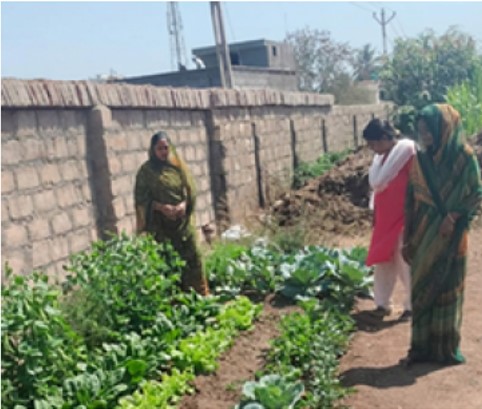
During counselling, the Field Officer introduced Nisha to the Poshan Vatika initiative under Project Tushti. The intervention focused on strengthening household-level access to fresh vegetables through small-scale kitchen gardening.
Nisha agreed to establish a home garden using the Poshan Vatika Kit. Seeds and basic inputs enabled her to cultivate seasonal vegetables within the available household space.
Nutritional and Economic Impact
Within four months of implementation, measurable changes were observed. Nisha’s weight increased from 36 kg to 40 kg, while her child’s weight improved from 7 kg to 9 kg. Regular consumption of homegrown vegetables improved dietary diversity during the lactation period.
Simultaneously, the household reduced daily vegetable expenditure of approximately ₹150, easing financial pressure. Surplus produce was occasionally shared within the neighbourhood, reinforcing community-level interest in kitchen gardening.
“Under Project Tushti, I was provided with a Poshan Vatika kit. With the seeds and guidance included in the kit, I started growing vegetables at home. Now my family receives fresh and nutritious food regularly. My children’s health has improved, and we have become more aware about proper nutrition. I am truly grateful for this support.”
— Nisha Narendrasinh Chauhan, Lactating Mother
Reversing Severe Underweight Through Maternal Behaviour Change
A Birth with High-Risk
Maluben Samantbhai Bhojani, a resident of Khambhalia, lives with her husband, an auto driver, and their son Kartik. During pregnancy, Maluben had haemoglobin (HB) of 9.2 and continued tobacco consumption, with limited dietary intake. At delivery, she weighed 51 kg, and Kartik was born at 900 grams, placing him in the extremely low birth weight category. Low maternal nutrition and tobacco exposure significantly increased Kartik’s vulnerability from birth.
Severe Underweight at Seven Months
On 13 January 2024, when Kartik was 7 months old, the Project Tushti Field Officer assessed him at 5.6 kg (62 cm), classifying him as Severely Underweight (SUW). Growth faltering persisted beyond infancy, indicating the need for corrective intervention.
During counselling, maternal tobacco use and inadequate complementary feeding were identified as key contributors to Kartik’s poor weight gain.
Behaviour Change and Nutritional Reinforcement
Structured counselling focused on two critical areas: maternal behaviour change and improved child feeding practices. Maluben was counselled on the harmful effects of tobacco and gradually reduced consumption. Simultaneously, feeding guidance was strengthened to include regular use of Balshakti nutrition packets, milk products, pulses, fruits, peanuts, and age-appropriate meal frequency.
Linkages with the local government hospital were reinforced to ensure access to child health services and monitoring. By April 2024, at 10 months, Kartik’s weight increased to 6.6 kg (66 cm).
Transition to Moderate and Normal Status
By June 2024, at one year of age, Kartik weighed 7.4 kg (67 cm) and transitioned from Severely Underweight to Moderately Underweight. Continued counselling reinforced hygiene, sleep patterns, dietary balance, and consistent utilisation of Balshakti supplementation.
By 3 October 2024, at 15 months, Kartik’s weight reached 8.6 kg (73 cm), and he entered the Normal category, marking a significant recovery from severe undernutrition within nine months of structured follow-up.
My baby was born with low birth weight, and I was very worried about his health and growth. Through Project Tushti, I received regular guidance on proper nutrition, breastfeeding practices, and a nutrition support kit. With this support, I started following the recommended diet and care practices. Gradually, my child’s weight began to increase, and his health improved significantly. I feel relieved and thankful for the timely support provided through this initiative.”
— Maluben Samatbhai Bhojani, Kartik’s Mother
From Anaemia to Safe Delivery: A Case Of High-Risk Pregnancy
A Pregnancy with high Risk
On 29 July 2024, during a routine visit to the Anganwadi Centre in a remote area of Bhatia village, Vijuben Khodabhai Gamara, who was pregnant, was found to have a haemoglobin (HB) level of 9.5%, indicating anaemia, placing her at high risk during pregnancy.
Anaemia in pregnancy increases the likelihood of adverse maternal and birth outcomes, making early intervention essential.
Strengthening Dietary Practices
Following identification of anaemia, the Project Tushti Field Officer, in coordination with the Anganwadi Worker, initiated structured counselling and regular follow-up. Initial guidance focused on improving dietary iron intake, reducing outside food consumption, and strengthening adherence to supplementation. At the second visit, only marginal weight gain was observed (71.6 kg) with no change in Hb. Counselling was therefore intensified with practical demonstrations on systematic use of Take-Home Ration (THR) in daily cooking. She was also guided using recipes from the Project Tushti nutrition booklet to improve dietary balance.
Within approximately 6–8 weeks of reinforced monitoring, her HB increased from 9.5% to 10.6%, indicating measurable improvement.
On 13 September 2024, Vijuben delivered a healthy baby boy with a birth weight of 3.5 kg. Post-delivery counselling reinforced exclusive breastfeeding for six months and continuation of maternal supplementation, including THR, IFA, and calcium. During subsequent home visits, both maternal and infant health indicators were monitored and indicated improvement.
“After the birth of my child, my hemoglobin level was low. Through the guidance given during Mamta Divas and Mangal Divas by the nurse, Anganwadi worker, and Project Tushti staff, I learned about proper nutrition, THR usage, and iron-rich foods. I also developed a nutrition garden at home and regularly took IFA and calcium tablets as advised. This helped improve my hemoglobin level and reduced weakness and fatigue.”
Viju Khoda Gamara, Lactating Mother
From Hesitancy to Full Coverage: Rebuilding Trust in Mevasa Village
A Closed Social Ecosystem
Mevasa village, with a population of approximately 1,200, is a traditionally conservative settlement largely dependent on farming. Social restrictions limited women’s mobility, girls discontinued schooling after Grade 7 due to lack of nearby facilities, and outsiders were generally not welcomed. Traders avoided the village, and engagement with external institutions was minimal.
Within this environment, health and nutrition services faced resistance. Anganwadi attendance was low, vaccination uptake was limited, and maternal reporting was delayed due to entrenched beliefs and superstitions.
Identifying Barriers to Service Uptake
Engagement with the Anganwadi Worker and village leadership revealed widespread misconceptions. Vaccination was associated with fever and tumour formation. Some believed immunisation was unnecessary. Pregnant women were often not reported to the Anganwadi or ASHA until five months due to social customs. Children were weighed only at religious sites, not at health centres.
These beliefs directly affected Mamta Day participation, growth monitoring, and immunisation coverage.
Entry Points Through Local Platforms
Initial engagement required trust-building. Meetings were conducted with the Sarpanch, youth groups, and community members. The Field Officer from Project Tushti joined evening Swadhyay Sabha gatherings- an accepted spiritual forum to initiate dialogue within an accepted social setting. Gradually, discussions shifted from general village concerns to maternal and child health. The ASHA Worker and Field Officer conducted small group meetings to explain the scientific basis of vaccination reactions, clarify misconceptions, and emphasize the risks of delayed ANC and missed immunisation. A staff nurse accompanied the project team for door-to-door vaccination, combining service delivery with on-site counselling.
Activation of Mamta Divas
Through repeated engagement and visible follow-up, Mamta Divas participation improved. Pregnant women began timely registration, children started coming to the Anganwadi for weighing and vaccination. Growth monitoring resumed within institutional settings.
Improved Dietary Diversity
Nutrition practices also began to improve. Initially, Take-Home Ration packets were underused, with some households feeding them to livestock. Project TUSHTI introduced recipe booklets, demonstrations, and cooking competitions to promote their use. Gradually, adolescent girls and pregnant women began incorporating the rations into regular household diets.
Sustained Immunisation Coverage
Over time, hesitancy reduced, and service uptake normalised. Mevasa village achieved 100% vaccination coverage for five consecutive months, marking a significant shift from earlier resistance.
This transition reflected strengthened coordination between the ASHA Worker, Anganwadi Worker, health staff, Panchayat leadership, and Project Tushti, supported by continuous dialogue and culturally adaptive engagement strategies.
“I have seen significant positive changes in our village due to the efforts of the Project Tushti team. Children now attend the Anganwadi regularly and pregnant women and children receive timely vaccinations. Nutrition garden kits and community meetings have increased awareness about health, nutrition, and hygiene among villagers. I am very happy that this project has brought meaningful improvements and a healthier environment to our community.”
– Manek Sukalbha, Sarpanch of Mevasa village
Ruhani’s Recovery from Malnutrition Through Convergent Nutrition Interventions
A High-Risk Birth
Ruhani, born on 26 April 2020, weighed only 1.6 kg at birth, placing her in the severely malnourished category. By six months of age, her weight gain remained inadequate, and she experienced frequent illness. Limited understanding of appropriate feeding practices contributed to sustained vulnerability.
Early Counselling and THR Reinforcement
On 8 October 2020, during a household visit, the Project Tushti Field Officer initiated counselling focused on breastfeeding, hygiene, and age-appropriate complementary feeding using THR. Growth monitoring began through regular follow-up visits.
Therapeutic Nutrition Through CMTC
In 2022, Ruhani was enrolled at the Child Malnutrition Treatment Centre (CMTC), Bhanvad. Her mother adhered to feeding guidelines consistently. This marked a stabilisation phase in her recovery. By August 2023, her weight improved to 8.5 kg (81 cm), though she had not yet reached normal status.
Strengthening the Household Nutrition Ecosystem
At three years of age, Ruhani began attending the Anganwadi Centre, where she received a daily nutritious breakfast. At home, THR supplementation continued.
Beteen 2020 and April 2023, 17 follow-up visits were conducted to monitor growth, reinforce feeding practices, and prevent relapse.
To strengthen dietary diversity, the family received a Poshan Vatika Kit, enabling the cultivation of fresh vegetables. A Nutrition Kit further supplemented household intake.
Transition to Normal Category
By February 2024, Ruhani’s weight reached 10.4 kg (83 cm). Continued monitoring and layered interventions led to steady improvement.
By October 2024, her weight increased to 13.25 kg with a height of 89 cm, marking her transition into the Normal category after nearly four years of sustained follow-up.
“My daughter Ruhani was born with a very low birth weight of 1.6 kg and often fell sick. With continuous guidance and support from the Project Tushti team, CMTC, and Anganwadi, we followed proper feeding and care practices. Today she has reached normal growth and is much healthier, and I am grateful for their support.”
-Hasinaben Basir Detha, Ruhani’s Mother
Counselling for Change: Restoring Growth through Improved Feeding Practices
A Normal Birth, Declining Growth
Raj Naranbhai Bera was born on 12 December 2020 in Manpar village with a birth weight of 2.5 kg, placing him in the normal category at birth. However, by the age of one year, his weight had not increased appropriately for age.
On 18 October 2022, during a home visit by the Project Tushti Field Officer and Anganwadi Worker, Raj was identified as Severely Underweight (SUW) at 7.6 kg (72 cm).
Family discussions revealed recurrent constipation, prolonged breastfeeding without adequate complementary feeding, and frequent illness episodes, leading to repeated hospital visits.
Correcting Feeding Practices
Structured counselling was initiated using the growth chart to explain Raj’s nutritional status to the family. The Field Officer provided guidance on managing constipation, strengthening complementary feeding, and preparing nutrient-dense meals using the Take Home Ration.
The family was advised to eliminate packaged snacks and outside foods and to increase intake of green vegetables, fruits, and age-appropriate meals. Regular attendance at Mamta Day, consistent use of IFA syrup, and continued Anganwadi engagement were reinforced.
Structured Monitoring and Gradual Recovery
Through frequent follow-up visits and reinforced counselling, Raj’s growth began to stabilise. By January 2023, he transitioned from Severely Underweight to Moderately Underweight (MUW). Continued monitoring through 2023 showed steady improvement without relapse.
By early 2024, Raj’s weight reached 12.3 kg (82 cm), and he entered the Normal category, reflecting sustained nutritional recovery after nearly 16 months of structured follow-up.
“My son Raj was born with a normal birth weight, but his weight did not increase properly, and he became severely underweight. The Project Tushti Field Officer – Shaktisinh regularly visited our home and guided us on proper feeding practices, nutritious food, and the use of THR. By following their advice and attending regular growth monitoring, Raj’s health gradually improved. Today, he has reached normal growth and is much healthier. I sincerely thank the Project Tushti team for their continuous support.”
-Naranbhai Bera, Raj’s Father